 Oklahoma City · Est. 2018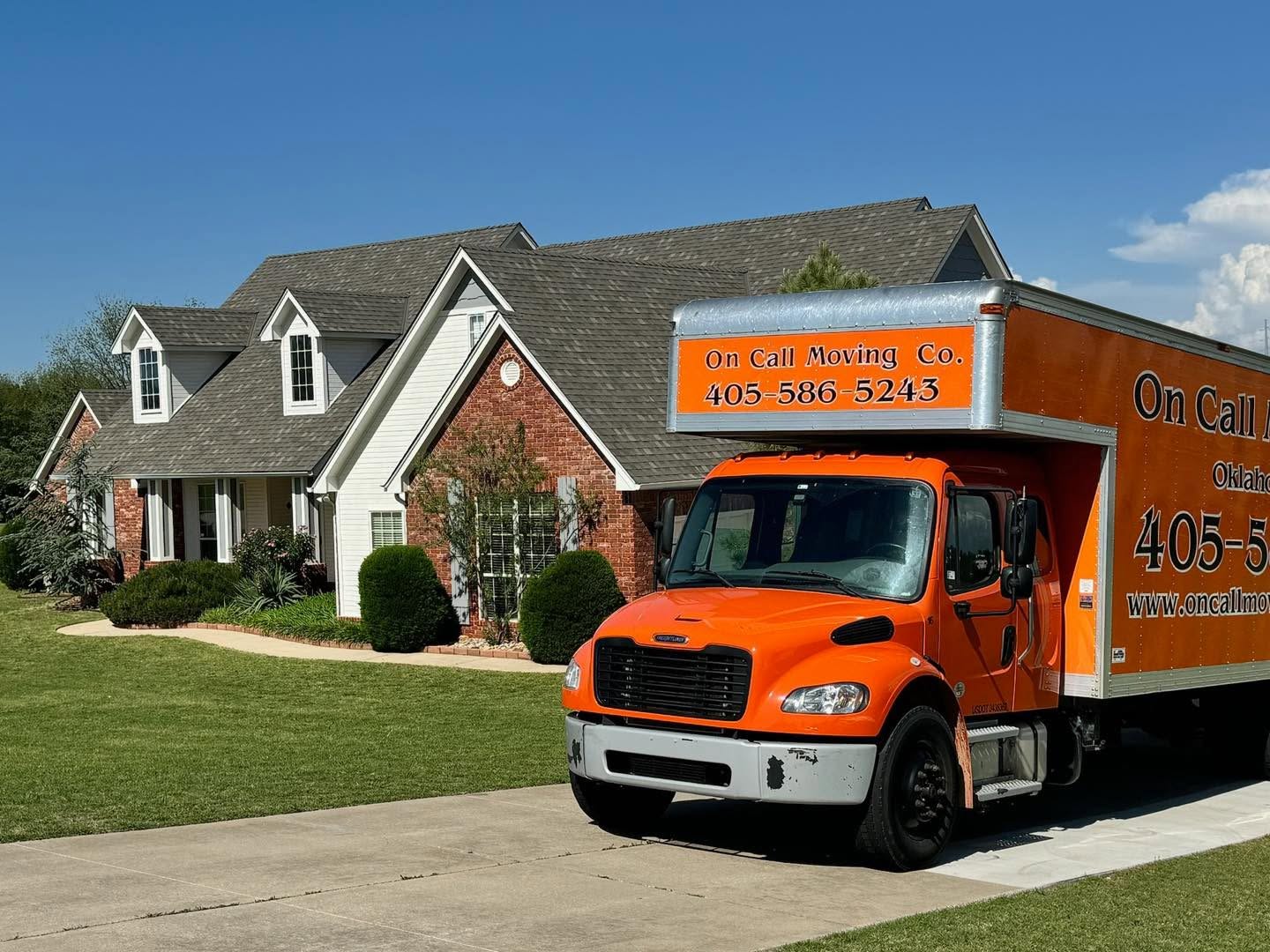
How to Handle Moving Day: Tips for Oklahoma City Residents
Moving day goes well or badly based on what was finished the night before, not on anything that happens after the truck pulls up. Sealed boxes, cleared walkways, sorted parking, and a plan for the pets will save more hours than any decision made at eight in the morning.
We are a family-owned, reliable moving company in OKC, sending trained, background-checked crews to households across the metro, and we work to a flat fee agreed upon before the date, so a slow start costs you time rather than money.
Walk through your home the evening before with one question in mind: what would stop a stranger from picking this up and carrying it out?
What Needs to Be Finished Before the Crew Arrives
Packing is the obvious one, and it needs to be genuinely finished rather than nearly finished. A crew that arrives to find three rooms boxed and two rooms half sorted loses its rhythm pretty quickly, because loading a truck properly depends on knowing what is going in.
Seal every box, label it by destination room, and mark the fragile ones on the top and one side so the label survives being stacked.
Beyond the boxes, a short list handles almost everything else worth doing before a crew walks in:
- Disconnect and drain appliances the night before, since a washer that still holds water cannot be loaded
- Clear a walking lane from the furthest room to the front door, wide enough for two people carrying a sofa
- Set aside anything not going on the truck in one room, with the door shut and a note on it
- Arrange pets and small children somewhere else for the day, ideally off the property
- Take photos of high-value items before they are wrapped, which makes any later conversation about condition simple
None of this takes long individually. Together, it is the difference between a crew starting work at 8:05 and a crew starting at 9:30 while you finish taping boxes in the kitchen. If your packing is still underway with a week to go, work in the order that leaves daily essentials until last, which is exactly what our piece on what to pack first sets out room by room.
How the First Hour of a Move Actually Goes
The crew lead walks the house with you before anything moves. That walkthrough confirms the inventory against the quote, identifies anything needing special handling, flags existing damage to floors or doorframes, and settles where the truck will sit.
It usually takes ten to fifteen minutes, and it is the most useful quarter hour of the day, so stay with the crew rather than using it to make phone calls.
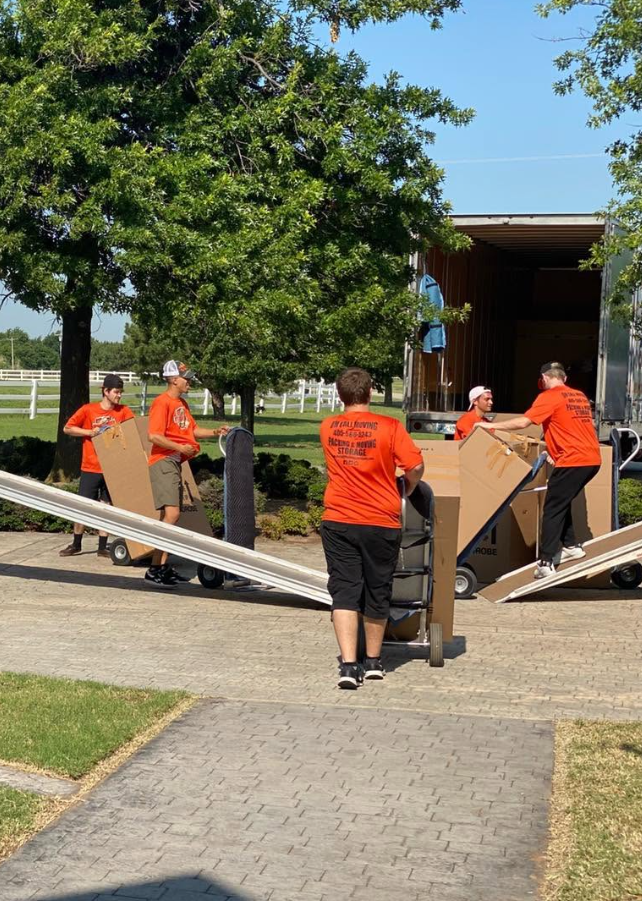
Loading then starts with the largest and heaviest pieces, since those anchor the load and everything else packs around them. Boxes follow by weight and room, and fragile items go last where they can be secured rather than buried.
If you want particular items unloaded first at the destination, say so during the walkthrough, because a truck loaded in the wrong order cannot be quietly reversed later. Customers who have not hired movers before are often surprised by the sequence, and we cover it in more depth in what to expect during a local move.
Parking, Elevators, and Access Problems That Cost Time
Access is the single largest source of avoidable delay in this metro, kind of the thing nobody thinks about until it costs them an hour. A truck that cannot park near the door turns every trip into a long carry, and a long carry doubles the time each item spends in transit between the house and the truck.
For apartment complexes around downtown and the Plaza District, confirm with management the week before where a moving truck is permitted to sit and whether a permit or a reserved bay is needed. Our local movers deal with this metro’s buildings often enough to know which ones are strict about it.
Buildings with elevators add a second layer. Ask whether the service elevator has to be booked, whether padding is required, and whether there is a time window when moves are allowed at all, since some complexes restrict them to weekday business hours.
Houses have their own version of this problem: overhanging branches, narrow driveways, low carports, and street parking that fills up after seven in the morning. Drive the route to your new address once beforehand and look at it as a truck driver would rather than as a resident.
Handling Oklahoma Heat on a Summer Move Date
Most residential moves in this metro happen between late May and August, which means loading a metal truck through the hottest part of an Oklahoma day. Heat slows everyone down and quietly damages certain belongings. Candles, vinyl records, electronics, medications, and anything with adhesive backing all suffer in a truck sitting closed in a driveway at midday.
Two practical responses help. Move those items yourself in an air-conditioned car rather than putting them on the truck, and ask for the earliest start time available so the heaviest work happens before the worst of the afternoon.
Keeping a cooler of cold water by the front door costs almost nothing, and it makes a genuine difference to a crew working an eight-hour day in that weather.
Not sure how your date is going to hold up against the heat, or just want to talk through timing before you commit?Give us a call at (405) 586-5243, and we will help you find the earliest slot we can.
What to Keep with You Instead of Loading
Some things should never go on the truck, and deciding which in advance prevents a frantic search through sealed boxes on the first night. Passports, birth certificates, titles, insurance paperwork, prescriptions, laptops, jewelry, and any small item of real sentimental value belong in a bag that stays in your own vehicle.
Add to that a first-night box packed deliberately: bedding, towels, phone chargers, a change of clothes, basic toiletries, toilet paper, a few kitchen items, and whatever the pets need. Load it last into your own car, so it comes out first at the other end.
Households that skip this step almost always end up opening six boxes at eleven at night looking for a toothbrush, which is a poor end to an otherwise well-run day. Customers who want the boxing handled for them can add packing and unpacking to any move at the time of booking.
How to Close Out the Day with the Crew
Before the crew leaves, walk both properties again. At the origin, check closets, cupboards, the garage, the attic hatch, and behind doors, since those are the five places items get left. At the destination, confirm furniture is in the rooms you want and that anything disassembled has been put back together.
This is also the moment to raise anything that looks wrong. Damage noticed and documented while the crew is still present is far simpler to resolve than damage reported three days later, so photograph it and mention it to the lead before signing anything off.
Sign the paperwork once you are satisfied, not before, since a move that ends with a proper walkthrough almost never turns into a dispute afterward.
Still working out logistics, or just want to lock in a date before it fills up? Contact us, and we will get you a flat fee and an arrival window. You can also reach us at (405) 586-5243. We are open Monday through Saturday, 7 am to 8 pm.
Related Topics: