 Oklahoma City · Est. 2018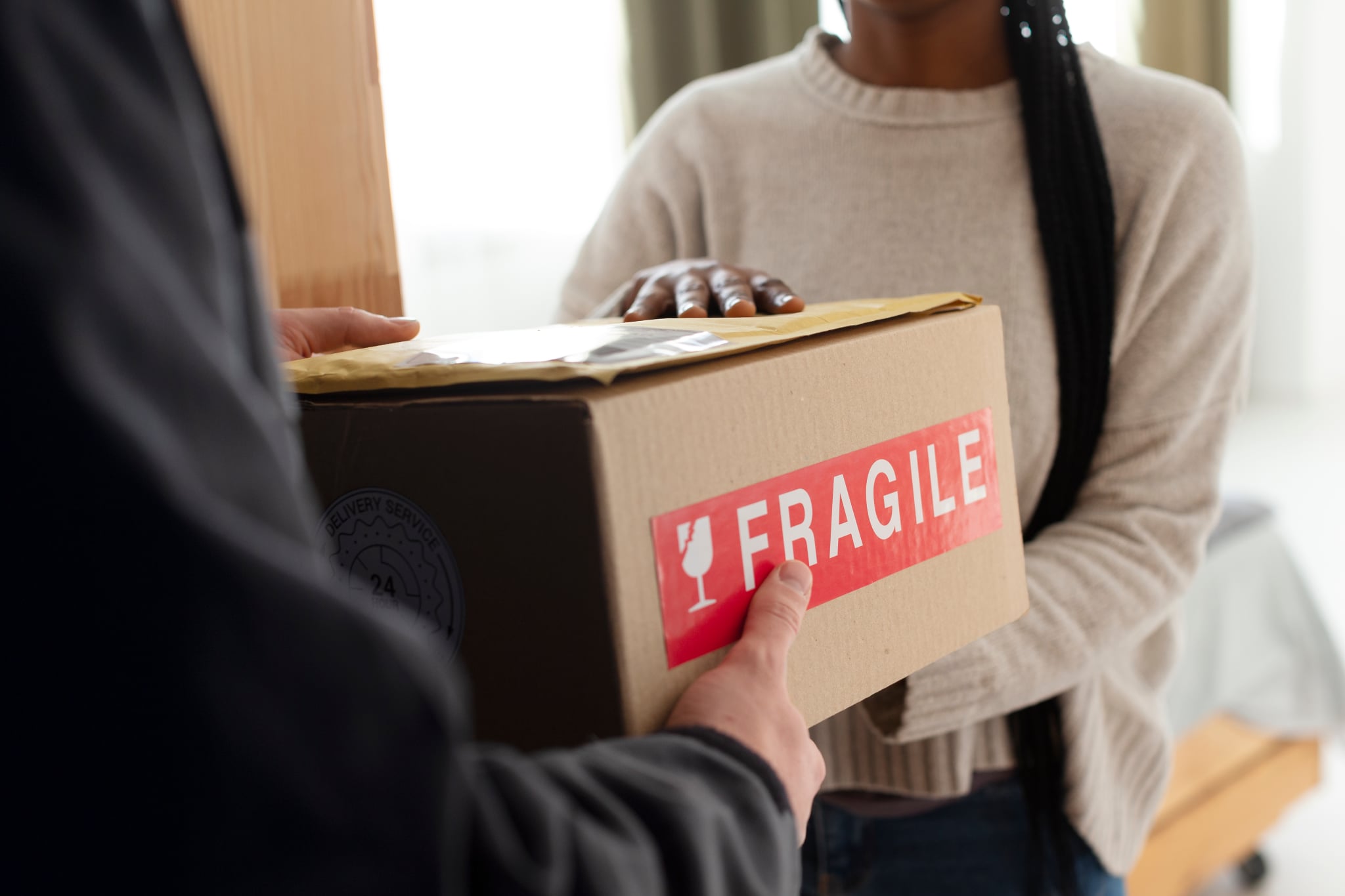
Protecting Fragile Belongings During Your Oklahoma City Move: What Movers Do
Fragile items tend to be the biggest source of anxiety for anyone planning a move, and any recognized moving company in Oklahoma knows how to handle them as part of standard practice. Reliable movers will tell you that whether something arrives in one piece or not almost always traces back to preparation: how items were packed, whether the crew was properly briefed ahead of time, and if fragile status was clearly communicated well before moving day rather than pointed out in the middle of it.
Fragile Covers More Ground Than Most People Expect
Glassware, dishes, framed artwork, and lamps come to mind first for most people. But the category extends further than that in practice. Monitors, televisions, and audio equipment are fragile during transport. Antique furniture with thin legs, carved detail, or veneer surfaces needs handling that standard residential pieces do not. Musical instruments, particularly pianos, are fragile in a category of their own and require a completely different approach from everything else in a home. Marble tabletops and granite surfaces being transported separately need padding and positioning that accounts for both their weight and their brittleness under lateral force.
Identifying everything that qualifies as fragile before moving day, and communicating that list when you request a quote, is the single most consequential thing you can do to protect those items.
How Professional Packers Wrap and Box Fragile Items
Packing fragile items is different in technique from packing general household goods, and the differences are not subtle. A professional packing crew uses clean packing paper, bubble wrap, and foam corner protectors depending on the item and its shape. Dishes are wrapped individually and packed in cell-divided boxes, not stacked flat. Glassware is double-wrapped and boxed separately from heavier items. Mirrors and framed artwork go into dedicated mirror boxes or are wrapped in multiple layers before being placed on edge, never flat.
Every box containing fragile items is labeled on all visible sides, not just the top. A box that says “fragile” only on the lid can still be placed incorrectly by someone who picks it up from the side without seeing the label. Proper labeling anticipates that.
Why Loading Order Makes a Real Difference
How fragile items are positioned in the truck is part of the protection plan, not an afterthought to it. Heavy items load first and go against the cab wall. Fragile items load last and go toward the rear of the truck, where they can be accessed without other items stacked on top of them. Items that cannot be stacked go upright or on edge depending on what the item requires.
A professional crew determines this loading sequence before the first item comes out of the house rather than making placement decisions on the fly. When the sequence is planned in advance against the full inventory of what is being moved, fragile items end up in the position that protects them during the drive, not wherever they happened to fit at the end.
How Fragile Items Stay Protected in Transit
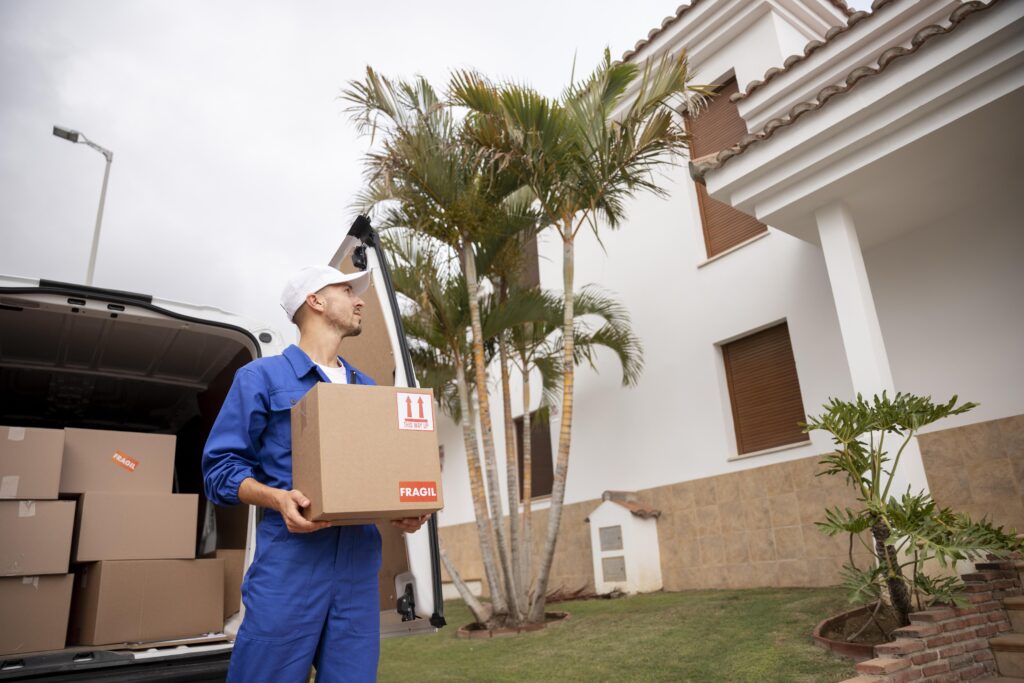
In transit, protection comes from tight, deliberate packing inside the truck. A box or item that can shift freely during the drive accumulates stress with every turn, stop, and bump in the road. Moving blankets, furniture pads, and load straps reduce that movement by keeping items secured in place against each other and against the walls of the truck.
For longer moves across the OKC metro or on long-distance routes out of Oklahoma City, the cumulative effect of road transitions matters more the longer the drive runs. A properly packed and sealed fragile box handles a long haul differently than one that was put together quickly or without the right materials. The packing quality at the origin pays off at the destination.
Specialty Items That Require a Completely Different Approach
Pianos, gun safes, antique furniture, and large appliances are not simply fragile items that need careful wrapping. They require specific equipment, rigging techniques, and in some cases enough crew members to safely manage the weight through hallways, stairwells, and doorways that were not designed with those items in mind.
An upright piano and a grand piano are moved differently from each other and from everything else in a home. A loaded gun safe weighing several hundred pounds requires the right dolly, the right configuration, and enough people to control it safely through tight spaces without damaging the item, the walls, or the crew. These items need to be on the inventory before moving day. A crew that arrives to find a piano or a loaded safe that was not mentioned at the time of quoting is not set up to handle it correctly.
What to Tell Your Movers Before Moving Day
Before any moving crew arrives, walk through your space and make a list of everything that needs special handling: items that are fragile, items that are unusually heavy for their size, items that require disassembly before transport, and items that carry significant monetary or sentimental value that would be difficult or impossible to replace. Share that list when you request a quote.
That is when it changes things: crew size, materials brought to the job, loading sequence planned, and the price you are quoted. Communicating it on moving day instead puts everyone in a reactive position that costs time and increases the chance of something going wrong. Our free pre-moving checklist walks through what to prepare and communicate before the crew shows up.
How Our Crews Protect Your Belongings at On Call Moving
At On Call Moving, protecting fragile and specialty items is part of how our crews approach every job. When you tell us at the time of quoting that you have a piano, antiques, fragile collections, or items that need special handling, we arrive prepared for them. That means the right packing materials on the truck, the right crew size for the specific items involved, and a loading plan that accounts for where those items need to go and how they need to travel.
We serve customers across Oklahoma City, Edmond, Norman, Moore, Yukon, Midwest City, and the surrounding metro. Every job is priced at a flat fee before our crew arrives. That price holds regardless of how many items need extra attention.
Related Topics: